In a competitive market, it can feel tempting to make your offer more attractive by waiving the home inspection.
We understand why buyers consider it.
But we will never recommend skipping it.
Not because every home has major problems — but because the inspection and the inspection period are two of the most important protections built into your contract.
Let’s walk through what a home inspection really is, what it isn’t, and why it matters so much.
What a Home Inspection Is
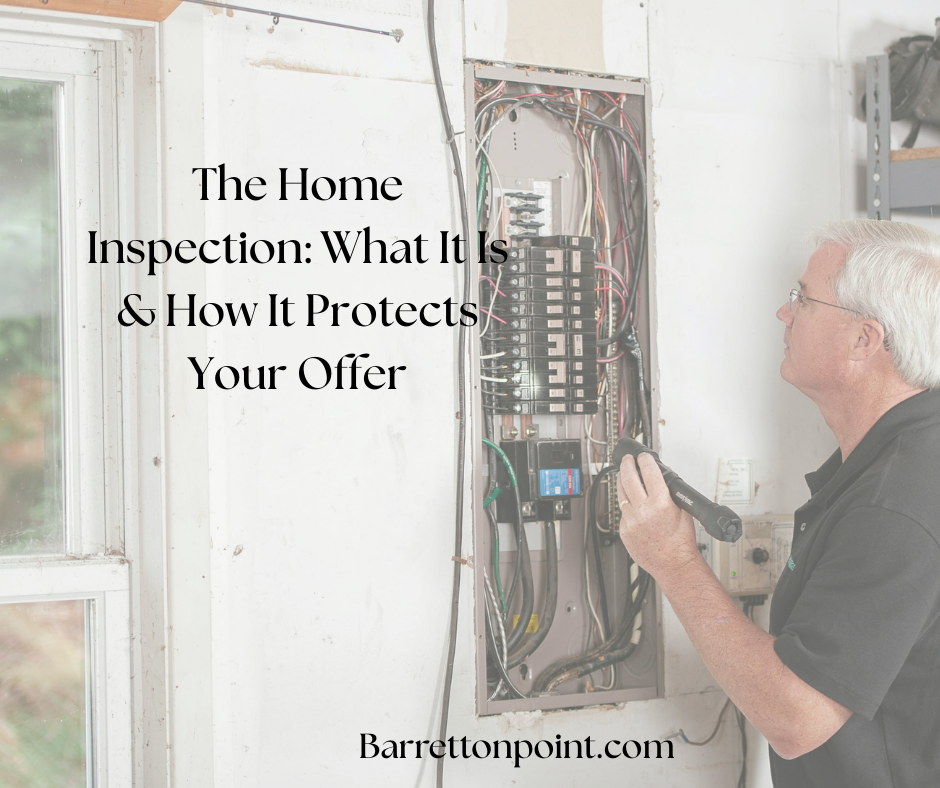
A home inspection is a professional, visual evaluation of a property’s major systems and components. Think of it as a full health check-up for the house.
A licensed inspector evaluates:
Roof condition
HVAC systems
Electrical panels and wiring
Plumbing systems
Foundation and structural components
Crawl spaces and attics
Windows, doors, and insulation
Signs of moisture or drainage concerns
It’s not about cosmetic flaws like paint colors or small cracks in drywall. It’s about understanding the overall condition and functionality of the home.
The Best Analogy: A Primary Care Check-Up
A home inspection is like going to your primary care doctor for an annual physical.
Your doctor:
Checks your vitals
Runs bloodwork
Evaluates major systems
If something looks “off,” they don’t guess — and they don’t immediately jump to worst-case scenarios.
They recommend a specialist for further evaluation.
Maybe a cardiologist.
Maybe additional imaging.
Maybe more lab work.
A home inspector works the same way.
If there are elevated moisture readings, they may suggest a foundation or waterproofing specialist.
If the roof shows wear, they may recommend a licensed roofer evaluate it further.
If the HVAC system is aging, they may suggest a technician review.
The inspection is the first layer of information — not the final diagnosis. It helps you determine whether further evaluation is needed before you fully commit.
What a Home Inspection Isn’t
It’s just as important to understand what it does NOT do:
It is not a pass/fail test.
It is not a warranty.
It is not a code compliance certificate.
It is not invasive (inspectors do not open walls).
It is not designed to “kill a deal.”
It is simply a professional snapshot of the property’s visible condition at that moment in time.
Just like your doctor can’t see everything without deeper testing, inspectors can’t see inside walls — but they are trained to recognize red flags and patterns that may require further attention.
Understanding the Inspection Period
Here’s the part many buyers don’t fully understand:
The inspection doesn’t just give you a report — it activates the inspection period in your contract.
During this time:
The buyer completes inspections.
Concerns are reviewed.
Repair requests may be negotiated.
Credits or price adjustments may be discussed.
Further specialist evaluations can occur.
Until the inspection period is resolved and both parties agree on how inspection items will be handled — whether through repairs, a price reduction, or moving forward as-is — the buyer typically has an out.
This is your contractual protection window.
It allows you to evaluate the condition of the home before you are fully committed.
Once both parties are satisfied and the inspection period is completed, the transaction usually becomes much smoother. From there, it’s generally appraisal, final loan approval, and closing preparations.
In other words, once you clear inspection, it’s typically smooth sailing.
Why We Never Recommend Skipping It
Waiving the inspection may make your offer look cleaner on paper.
But it also means:
You eliminate your due diligence period.
You lose negotiation leverage.
You assume unknown risk.
You remove your contractual exit tied to the home’s condition.
Even newer homes can have issues.
Even well-maintained homes can have aging systems.
Even beautiful homes can have hidden moisture or structural concerns.
Skipping an inspection is like saying:
“I don’t need the physical. I feel fine.”
Maybe everything is fine.
But if it isn’t, you want to know before you own it.
Winning the House — Wisely
Most inspections do not cause deals to fall apart.
They provide clarity.
They create informed negotiations.
They help buyers plan responsibly.
They reduce surprises after closing.
The goal isn’t just to get the house.
The goal is to get the house intelligently.
You don’t have to waive your protection to win a home — you just need a smart strategy that keeps you competitive and protected at the same time.